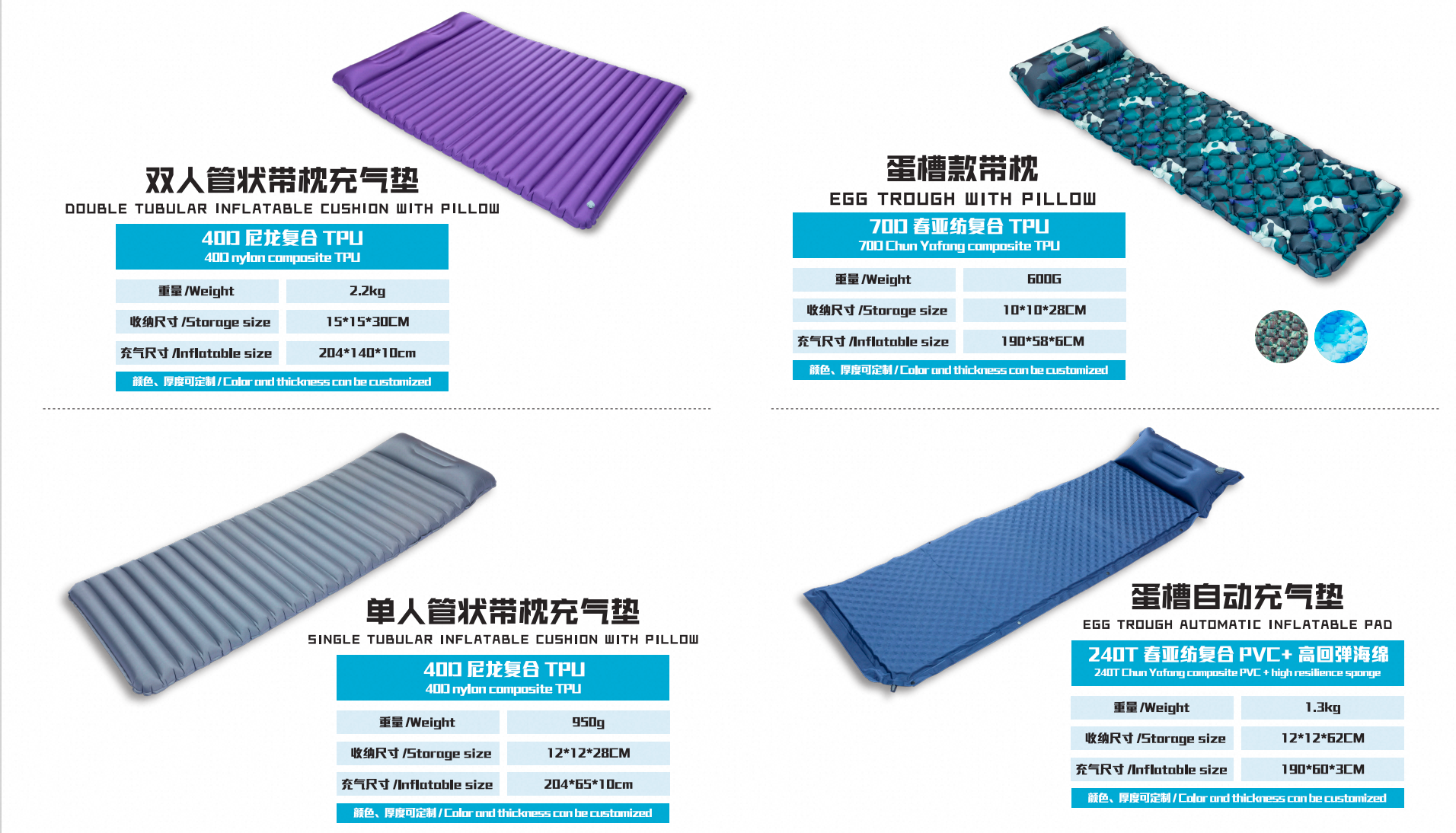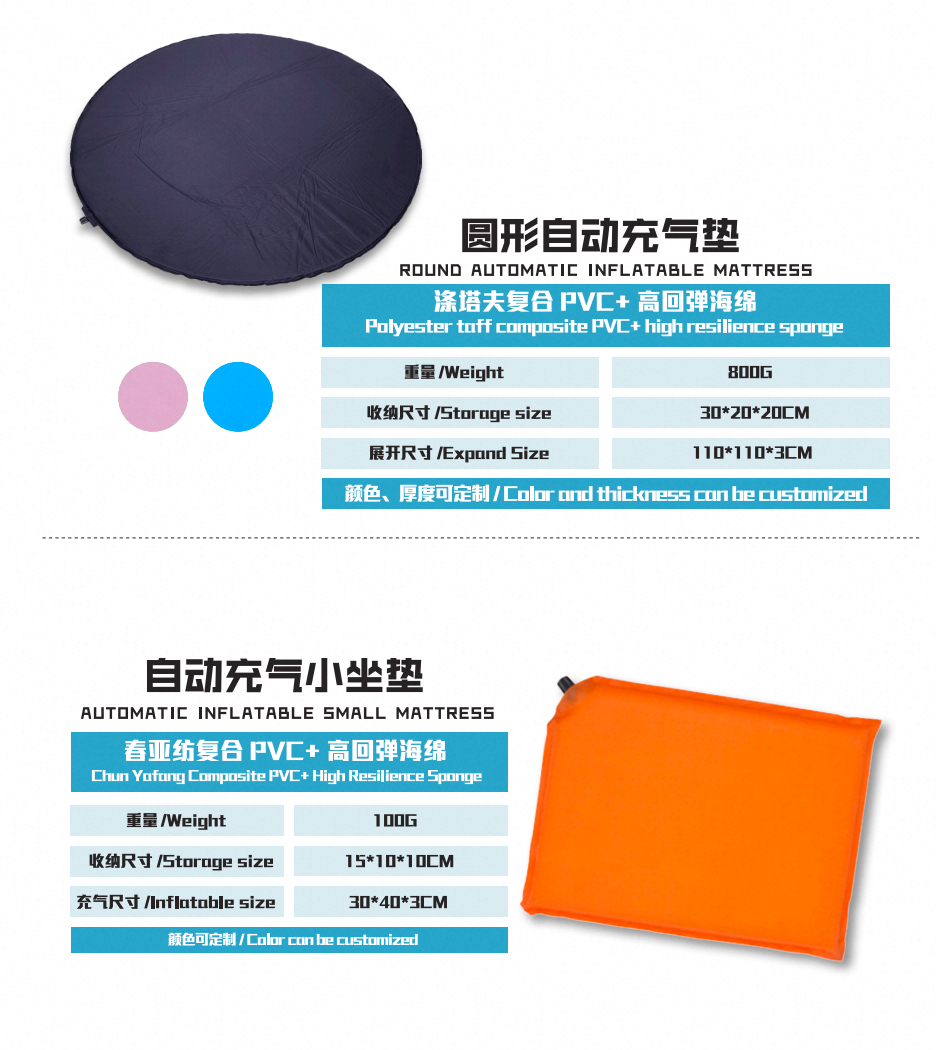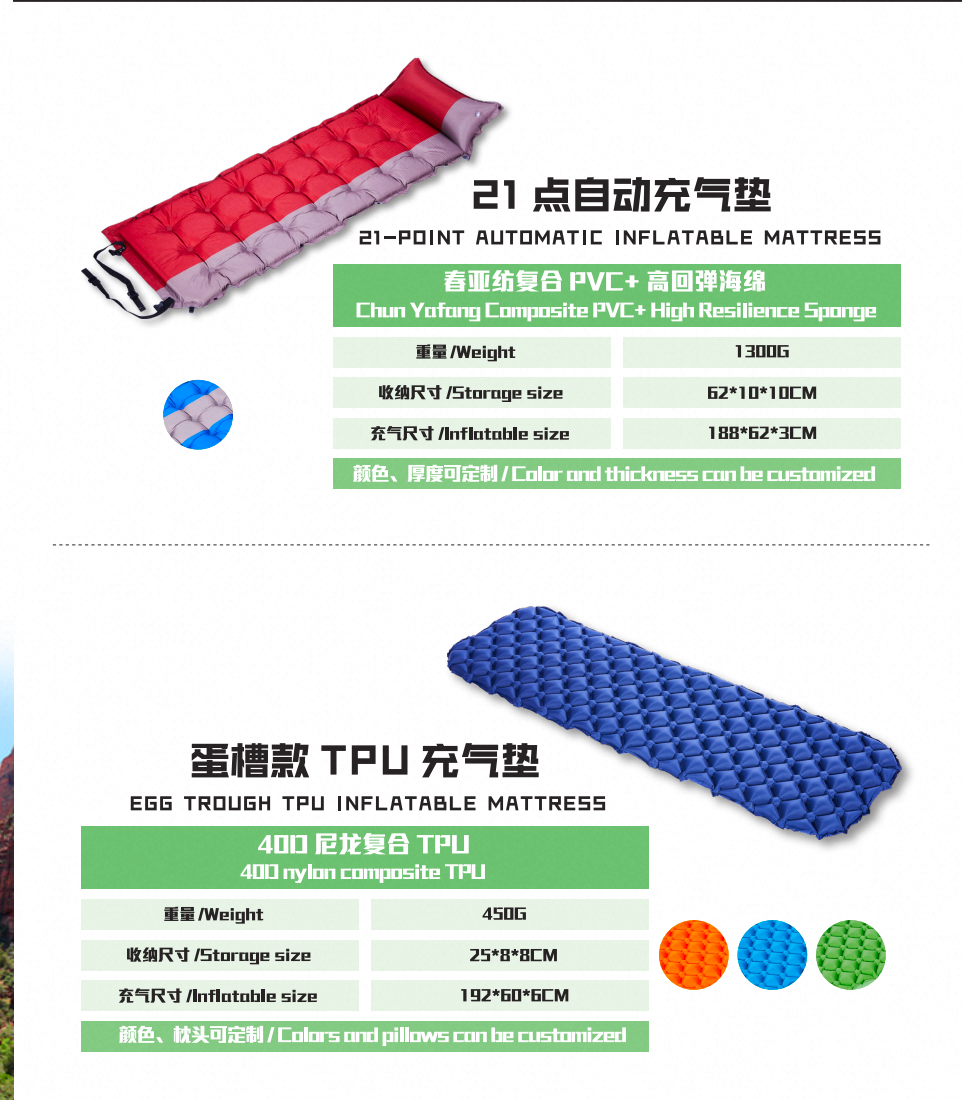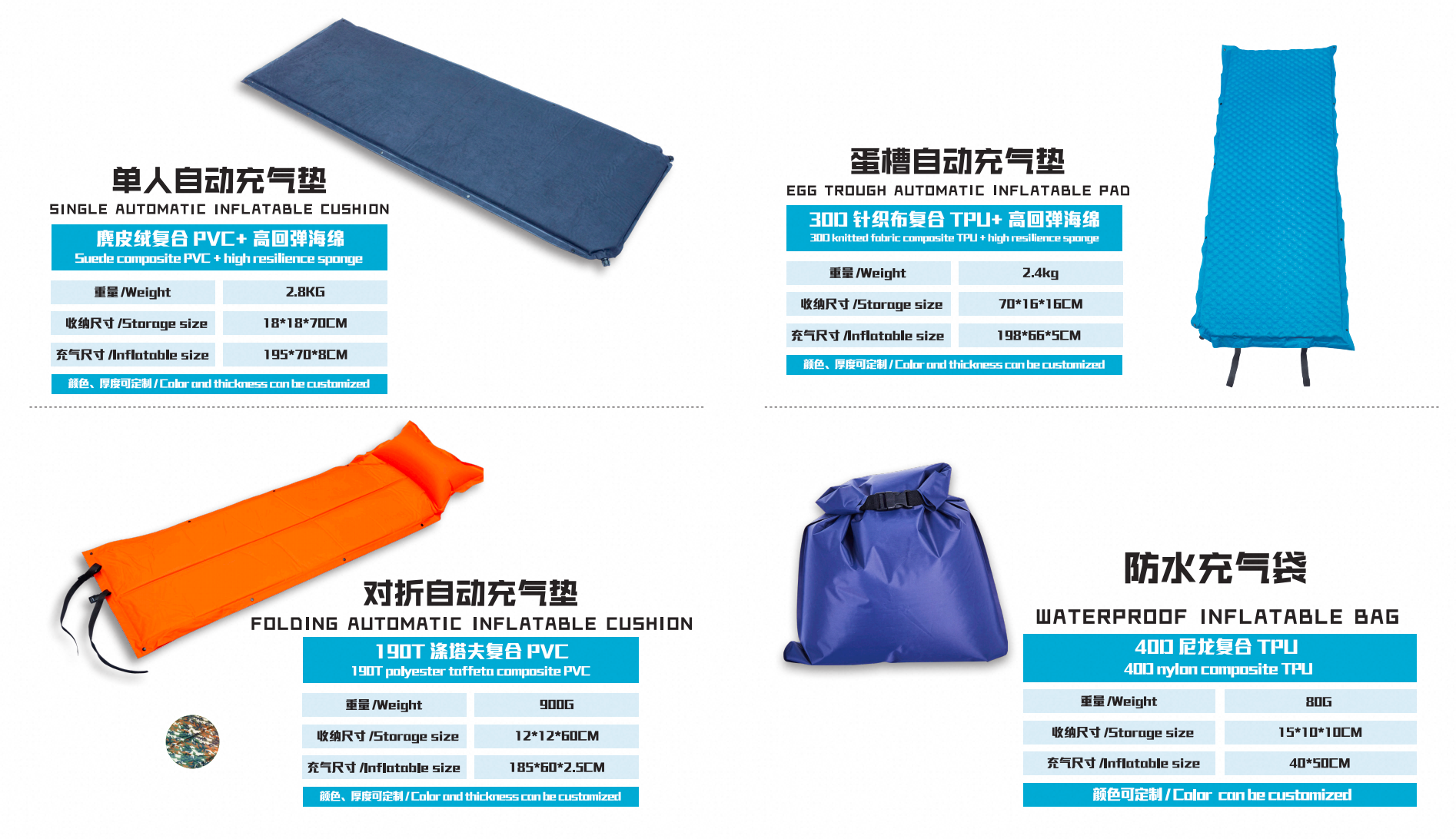
The camping sleeping pad is one of the highest-volume products in the outdoor gear category. For retailers, distributors, and e-commerce sellers, selecting the right sleeping pads to stock can make the difference between strong sell-through and dead inventory. This guide covers the types of sleeping pads available, key buying factors, target market considerations, and pricing strategies to help B2B buyers make informed purchasing decisions.
Types of Sleeping Pads
Sleeping pads fall into three main categories, each with distinct advantages and target markets:
- Air Pads: Inflated manually by breath or pump. Lightest and most compact option. Thickness ranges from 5–10 cm. R-Values from 1.0 to 7.0. Best for backpackers and weight-conscious campers. Pricing: mid to premium.
- Self-Inflating Mats: Combine open-cell foam with an air chamber. Open the valve and the foam expands, drawing in air automatically. Excellent comfort and insulation. Heavier and bulkier than air pads. Best for car campers and base camp use. Pricing: mid-range.
- Closed-Cell Foam Pads: Made from dense foam (EVA or polyethylene). No inflation required. Extremely durable, lightweight, and budget-friendly. Low R-Value (1.0–2.5) and minimal cushioning. Best for ultralight backpackers, emergency kits, and budget buyers. Pricing: entry-level.
For B2B buyers, air pads and self-inflating mats represent the highest-margin categories. Closed-cell foam pads are useful as entry-level or accessory products but have thinner margins.
Key Buying Factors
When evaluating sleeping pads for your product line, consider these six critical specifications:
- Weight: Measured in grams. Ultralight pads under 500g command premium pricing. Standard pads range 500–1000g. Budget pads may exceed 1000g.
- Packed Size: The smaller the packed dimensions, the more appealing for backpackers. Look for pads that pack to 20–30 cm length and 8–12 cm diameter.
- R-Value: Determines seasonal suitability. 3-season pads (R-Value 2–4) are the best all-around sellers. See our R-Value guide for details.
- Thickness: Affects comfort. 5–7 cm is standard; 8–10 cm is premium. Thicker pads appeal to comfort-focused campers but add weight.
- Durability: Measured by fabric denier and coating type. 20D–40D nylon with TPU coating offers the best balance of weight and durability for air pads.
- Noise: Some air pads produce a crinkling sound when the user moves. Look for pads with laminated fabrics or anti-slip coatings to reduce noise.
Target Market Considerations
Different customer segments prioritize different features. Align your product selection with your target market:
- Backpackers: Prioritize weight and packed size above all else. TPU air pads with R-Value 3–4 and weight under 600g are ideal. Willing to pay premium prices for performance.
- Car Campers: Comfort is king. Self-inflating mats or thick air pads (8+ cm) with R-Value 4+ are preferred. Less price-sensitive on weight but want value for money.
- Family Campers: Need affordable, durable pads in standard sizes. Self-inflating mats in the mid-price range sell well. Consider multi-pack options.
- Budget Buyers: Entry-level air pads or closed-cell foam. Price is the primary decision factor. Look for PVC-coated options or economy TPU pads.
Common Features to Look For
Certain features differentiate quality sleeping pads and justify higher price points:
- Valves: Dual-valve systems (one for inflation, one for deflation) are more convenient than single-valve designs. Look for one-way valves that prevent air escape during inflation.
- Baffles: The internal chamber design affects comfort and stability. Horizontal, vertical, and V-shaped baffles each have distinct performance characteristics. See our baffle design guide for details.
- Pillow Attachments: Integrated pillow valves or snap-on pillow attachments add value and convenience for the end user.
- Straps and Storage: Included elastic straps and stuff sacks improve the user experience and present well in retail packaging.
- Repair Kits: A included repair patch kit adds peace of mind and is expected on quality air pads.
Price Positioning Strategies
Effective pricing strategy depends on your market positioning and product mix:
- Entry Level ($8–$20 wholesale): Basic air pads or foam pads. Target mass-market retailers and online marketplaces. High volume, low margin.
- Mid-Range ($20–$45 wholesale): Self-inflating mats and quality TPU air pads with decent R-Values. Target outdoor specialty retailers. Balanced volume and margin.
- Premium ($45–$100+ wholesale): Ultralight TPU air pads with high R-Value, advanced baffle design, and premium materials. Target specialty backpacking retailers. Lower volume, high margin.
Many successful retailers stock a range across all three tiers, capturing customers at different price points while building brand reputation through quality products.
FAQ for Buyers
Q: What is the minimum order quantity (MOQ) for custom sleeping pads?
A: MOQs typically range from 200–500 units for custom designs. Stock products may have lower MOQs of 50–100 units.
Q: How long does production take?
A: Standard production lead time is 25–35 days after sample approval. Samples take 7–14 days.
Q: Can I get custom branding and packaging?
A: Yes. Most manufacturers offer custom logo printing, color matching, and branded packaging as part of OEM/ODM services.
Q: What certifications should I look for?
A: For EU markets, ensure REACH compliance. For US markets, look for CPSC compliance. OEKO-TEX certification is a plus for eco-conscious positioning.
Conclusion
Choosing the right camping sleeping pads for your product line requires balancing type, features, target market needs, and price positioning. By understanding the distinctions between air pads, self-inflating mats, and foam pads — and aligning them with your customer base — you can build a profitable sleeping pad category that drives repeat business.
Xiaoqin Outdoor manufactures all three types of sleeping pads with full OEM/ODM customization. From budget air pads to premium TPU ultralight mats, we help B2B clients develop products that match their market positioning. and let us help you source the right products for your business.