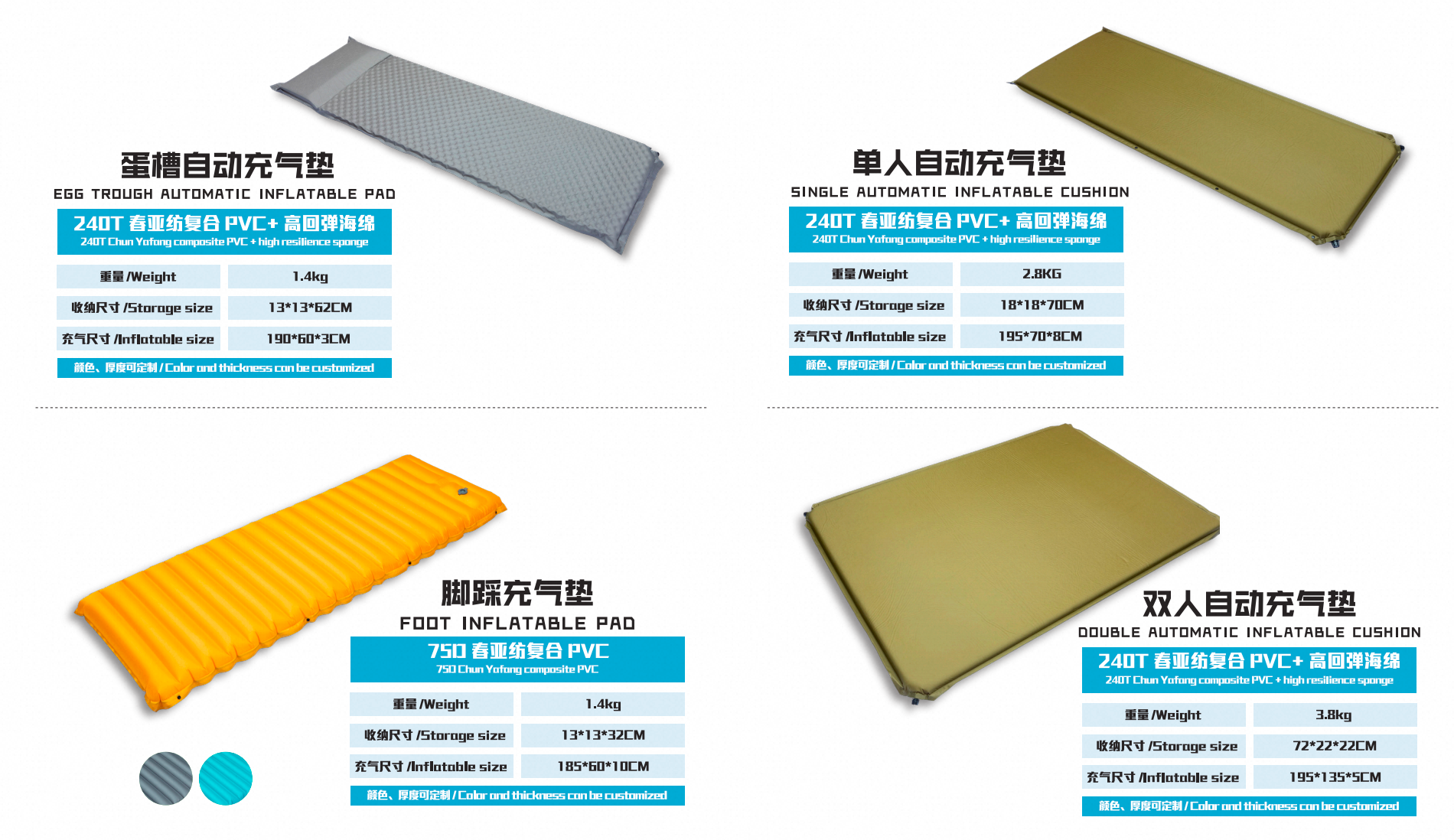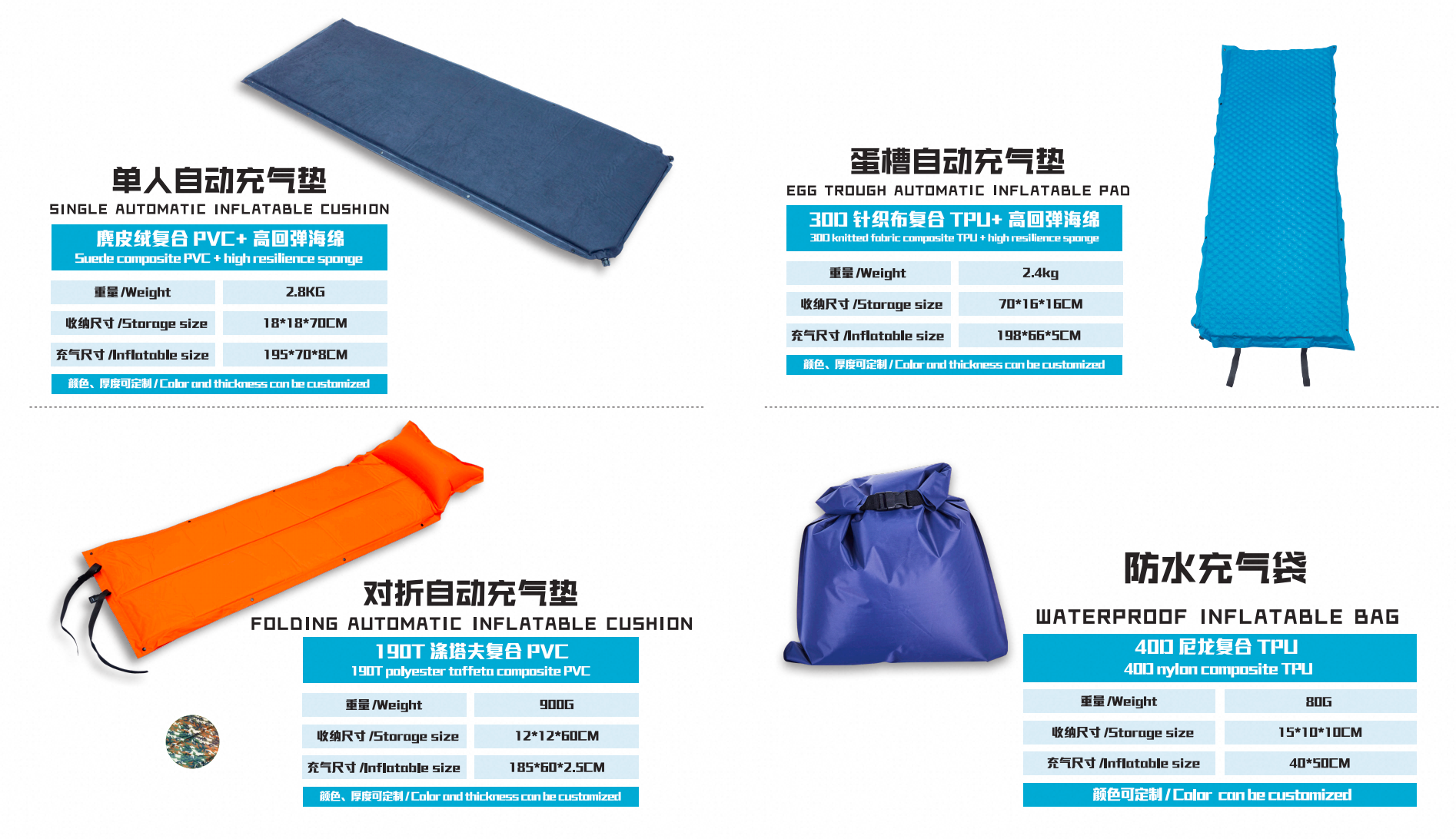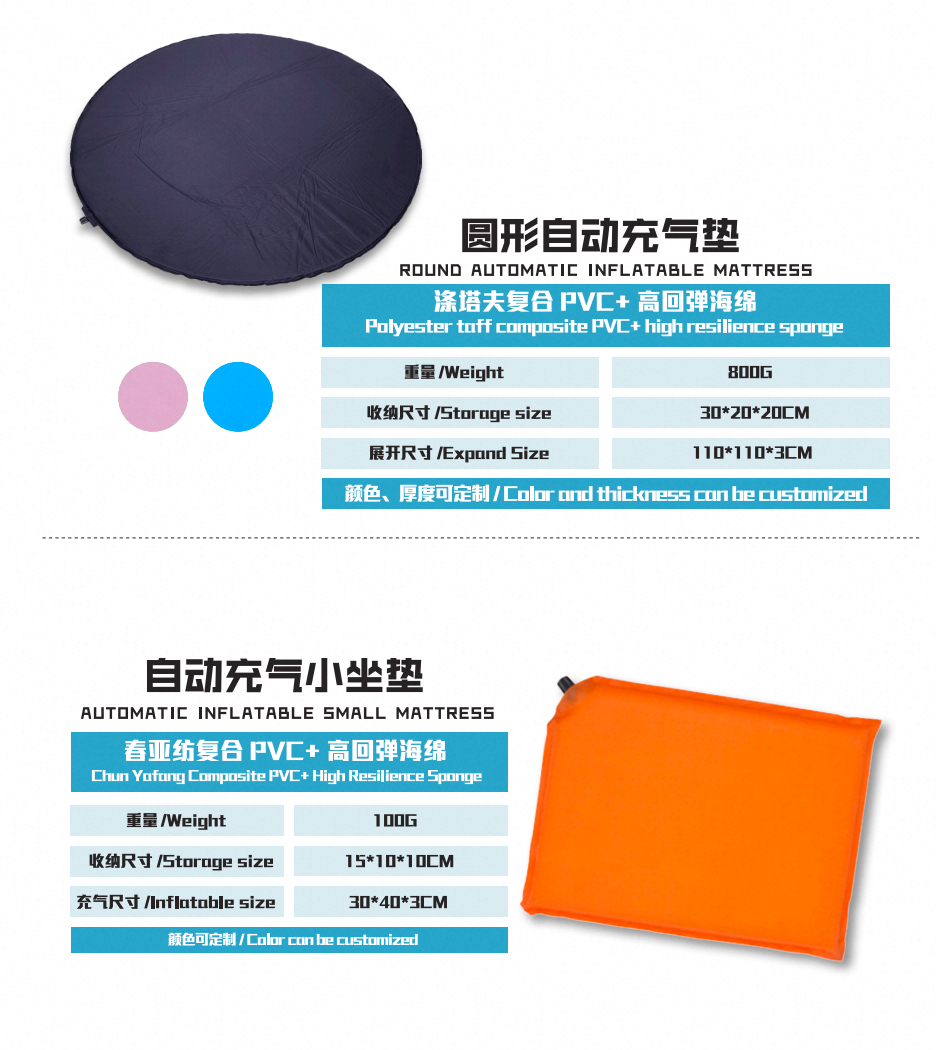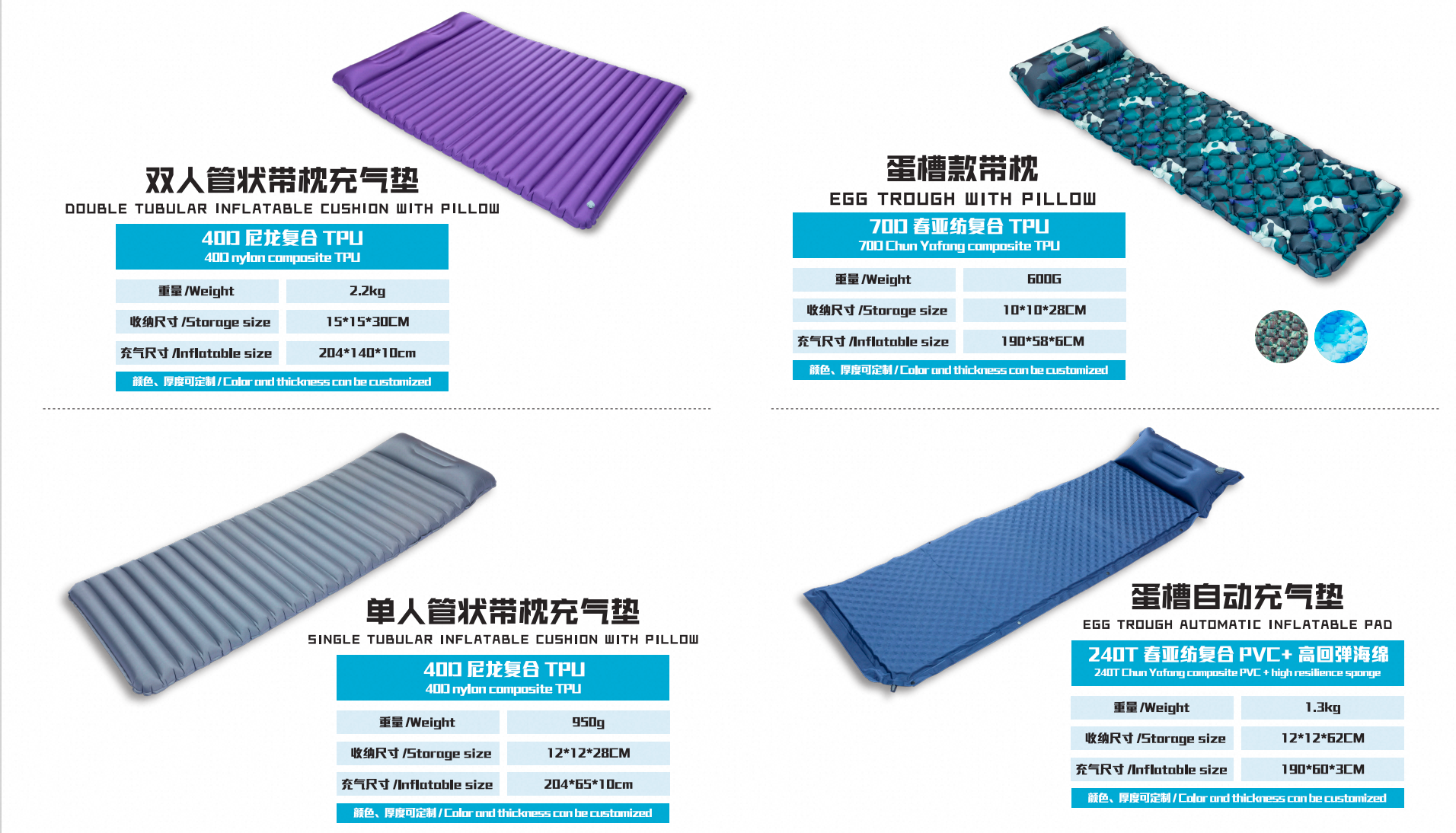
If you sell or manufacture camping sleeping pads, R-Value is one of the most important specifications you need to understand. It directly affects how warm a pad keeps the sleeper, which in turn determines customer satisfaction, return rates, and seasonal suitability. In this guide, we explain what R-Value measures, how it is tested, and how to choose the right R-Value for different products and markets.
What Does R-Value Actually Measure?
R-Value is a measure of thermal resistance — in simple terms, how well a material resists the flow of heat. The higher the R-Value, the better the sleeping pad insulates the user from the cold ground. A pad with an R-Value of 1 offers minimal insulation, while a pad rated at 6 or above is designed for winter conditions.
Historically, manufacturers used their own testing methods, leading to inconsistent and sometimes misleading numbers. In 2020, the outdoor industry adopted the ASTM F3340 standard, which provides a unified, scientifically validated method for measuring R-Value. This standardization allows buyers to make fair comparisons across brands and models.
It is worth noting that R-Value measures only insulation, not comfort. A thick, plush pad may have a low R-Value if it uses poorly insulating materials, while a thin pad can have a high R-Value if it incorporates reflective layers or high-density foam.
R-Value Recommendations by Season
Different camping conditions call for different R-Values. The following table provides a general guideline for matching R-Value to seasonal use:
| Season / Condition | R-Value Range | Typical Use |
|---|---|---|
| Summer | 1.0 – 2.0 | Warm-weather camping, indoor use, beach trips |
| 3-Season (Spring / Summer / Fall) | 2.0 – 4.0 | Most general camping, mild nights above freezing |
| Winter | 4.0 – 6.0 | Cold-weather camping, sub-freezing nights |
| Extreme / Expedition | 6.0+ | Mountaineering, snow camping, extreme cold |
For B2B buyers, stocking a range of R-Values ensures you can serve customers across all seasons. Many retailers carry 3-season pads as their core product and supplement with summer and winter options.
R-Value vs Comfort: Why Both Matter
A common misconception is that a higher R-Value automatically means a better sleeping pad. While insulation is critical, comfort depends on multiple factors working together:
- Thickness: Thicker pads cushion pressure points but may add weight and packed size.
- Surface texture: A textured top fabric prevents the sleeping bag from sliding.
- Baffle design: Chamber layout affects how weight is distributed and how stable the pad feels.
- Firmness adjustability: Air pads allow users to fine-tune firmness by adding or releasing air.
For retailers, the best-selling pads typically balance adequate R-Value with sufficient thickness (7–10 cm) and a well-designed baffle structure. An R-Value of 3–4 combined with 8 cm thickness is a sweet spot for the 3-season market.
How Manufacturers Test R-Value
Under the ASTM F3340 standard, R-Value is measured using a guarded hot plate apparatus. The sleeping pad is placed between two temperature-controlled plates, and the energy required to maintain a constant temperature differential is measured. The test accounts for the entire pad, including seams and valves.
Key factors that influence the test results include:
- Air chamber thickness: Thicker air chambers generally provide better insulation because still air is an excellent insulator.
- Foam density: In self-inflating mats, denser foam offers higher thermal resistance.
- Reflective layers: Some pads incorporate reflective films that reflect body heat, boosting R-Value without adding bulk.
- Material conductivity: TPU-coated fabrics generally perform better than PVC in insulation tests.
When sourcing from manufacturers, always ask whether their R-Values are measured to the ASTM standard. Reputable suppliers will provide test reports from accredited laboratories.
Choosing the Right R-Value for Your Market
Selecting the right R-Value depends on your target market and customer expectations. Here are some practical recommendations:
- Budget / mass market: R-Value 1.5–2.5 covers summer and mild 3-season use. These pads are lightweight, affordable, and easy to sell.
- Mid-range outdoor retail: R-Value 2.5–4.0 is the most versatile range, suitable for spring through fall camping. This is the highest-volume segment.
- Premium / backpacking: R-Value 4.0–5.5 with ultralight construction appeals to serious backpackers who need warmth without weight.
- Winter / expedition: R-Value 5.5+ targets mountaineers and cold-weather campers. This is a smaller but high-margin niche.
For brands targeting the European market, 3-season pads with R-Value 3–4 are the strongest sellers. In tropical or warm-climate markets, summer-rated pads dominate. Understanding your regional demand helps you stock the right products and avoid unsold inventory.
Conclusion
R-Value is the single most important thermal specification for sleeping pads, and understanding it empowers B2B buyers to make informed sourcing decisions. By stocking the right range of R-Values for your market, you can meet customer needs across all seasons while minimizing returns and maximizing satisfaction.
At Xiaoqin Outdoor, we manufacture inflatable sleeping pads and self-inflating mats across a full range of R-Values, from lightweight summer pads to insulated winter models. All our products are tested to industry standards, and we offer full OEM/ODM customization for R-Value, thickness, materials, and design. and get factory-direct pricing.